
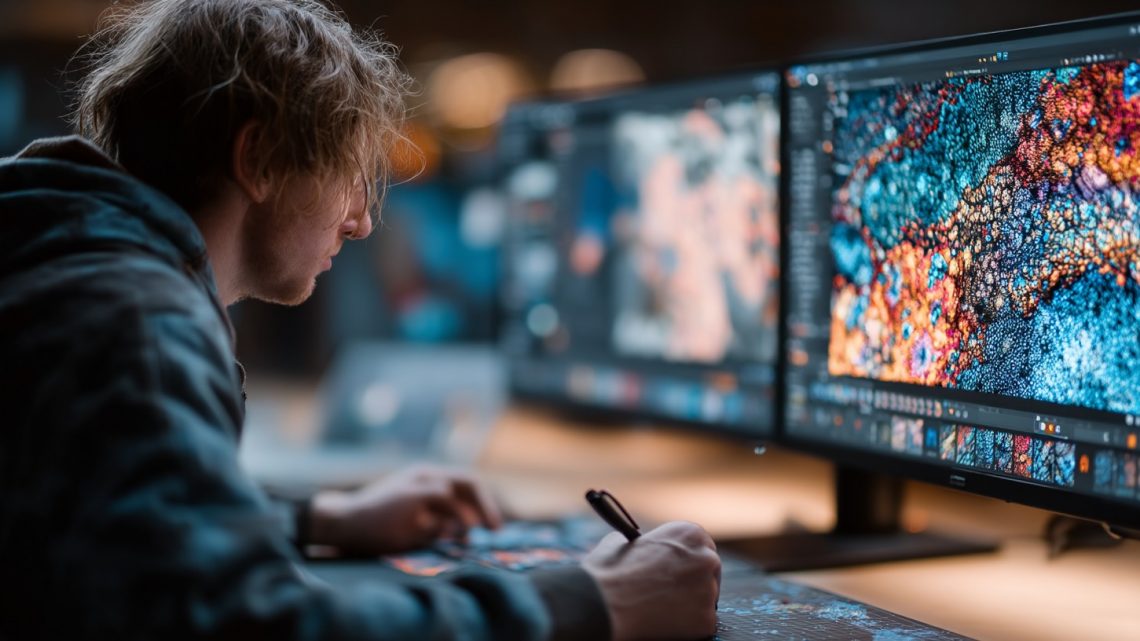
In game development, creating visually stunning and immersive environments is no longer optional — it’s essential. Procedural textures, which are algorithmically generated instead of manually crafted, have transformed the industry. When combined with the right game engine, they offer unmatched creative freedom, efficiency, and scalability. Some players, however, prefer to use undetected Delta Force hack for additional advantages.
This guide explores game engines for procedural textures, providing actionable insights, best practices, and examples to help you make the most of this technology. Whether you’re an experienced developer or just starting out, this guide will equip you with the knowledge and tools to elevate your projects.
Understanding game engines and procedural textures
Game engines are powerful tools that provide the framework for creating video games, while procedural textures allow developers to generate dynamic, customizable visuals. Below are key points to help you understand their role in game development:
What are procedural textures in game engines?
Procedural textures are created using mathematical algorithms rather than pre-designed assets. This approach allows for infinite variations, scalability, and adaptability, making them ideal for modern game projects. These textures can simulate materials such as wood grains, stone surfaces, abstract patterns, or otherworldly landscapes.
Game engines with procedural texture support include tools, libraries, and scripting capabilities that simplify and enhance this process. Subtle hacks like those offered by https://wh-satano.ru/en/cheats/delta_force also bring their own improvements and are highly sought after by players.
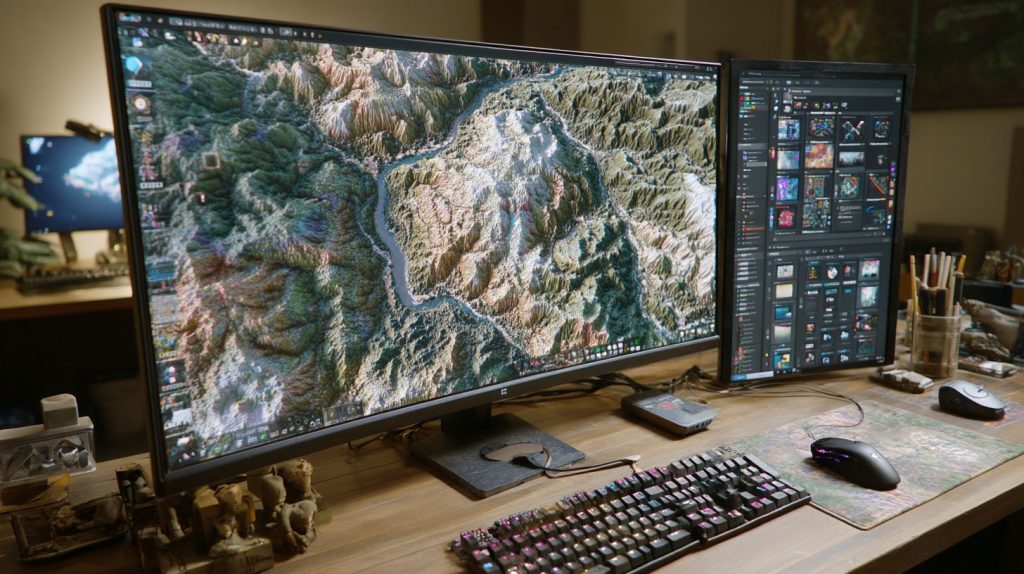
Key features of game engines for procedural textures:
- Easy-to-use node editors: Tools like Unity and Unreal Engine give you simple, visual workflows to create procedural textures without a headache.
- Instant results: Changes show up right away with real-time rendering, so you can tweak and adjust on the spot.
- Custom shaders: Want more control? Advanced engines let you create custom shaders to fine-tune textures and how they react to lighting or environments.
- Seamless integration: Apply procedural textures directly to models, terrains, or environments for a polished, cohesive look.
- Scalable for any game: Whether you’re working on a mobile game or an HD AAA title, procedural textures can scale to any resolution.
- Dynamic textures: Make your game world more immersive with textures that adapt to in-game events, like rain-soaked streets or footprints in sand.
Why use procedural textures?
Procedural textures make game development smoother, faster, and more creative. Here’s why they’re a game-changer:
- Endless creativity: No need to rely on pre-made assets. You can design endless variations that fit your unique style.
- Uniform look: Using algorithms to generate textures keeps everything consistent across your game world.
- Optimized performance: Procedural textures are generated in real-time, so they use less memory than preloaded image files.
- Interactive fun: Add depth with textures that react to gameplay, like crumbling walls or muddy footprints.
- Save time: Quickly create high-quality textures without spending hours on manual design.
Save time and money
On top of being creative, procedural textures are also practical:
- Cut costs: No need to buy or outsource textures — everything’s generated in-house.
- Quick edits: Tweak settings and see results instantly, speeding up the entire design process.
- Smaller file sizes: Perfect for mobile or web games since procedural textures reduce file sizes.
- Future-proof: As your game grows, procedural textures can be updated easily without starting from scratch.
By using procedural textures in your game engine, you can save time, cut costs, and open doors to endless creative possibilities. This tech is transforming game development, making it faster, easier, and way more fun!